
Filter by Letter
Tree
Size
Adaptability
Fall Color
Growth Rate
Native Habitat
Hardiness
Total results: 182


Arrowhead, as the name suggests, has a handsomely distinctive outline formed by fine feathery branches. Foliage is clean and ferny fresh. We believe this to be a most promising cultivar of Metasequoia.
Show moreView Detail

Tupelo or Black Gum is one of our most beautiful native trees. The brilliant red (sometimes almost neon red) fall color can be one of the best for powerful red autumn color. Pyramidal in habit up to middle age, maturing into a tall, oval giant....
Show moreView Detail

On Halloween, 2006 JB was driving the back roads of Middle Georgia, observing the speed limit with his safety harness securely fastened, when his peripheral vision caught sight of a brilliant red tree on the edge of the woods. He soon found himself standing under a...
Show moreView Detail

Here is the right tree at the right time. Tennessee nursery standout, Alex Neubauer has selected a great looking Tupelo with gorgeous foliage and an eye catching, pyramidal, "gable" shaped habit. Green Gable™ sparkles all summer long but loses its cool come autumn when the...
Show moreView Detail

New for Fall 2025…..Red Candy Tupelo is a standout native tree prized for its clean, dark green summer foliage, which emerges as bright green new growth, creating a subtle but attractive contrast throughout the growing season. Its dominant central leader and strong branching density give...
Show moreView Detail

Salem Weeper Tupelo has a wide, wavy, slightly pendulous habit. Unlike some other weepers it wants to still get large. Like most Nyssa Salem Weeper can handle wet feet, is cold hardy and handles the heat. With clean, dark green, large leaves through the growing...
Show moreView Detail

The blazing red new growth of Wildfire Tupelo lights up with two long flushes (long in length and duration!) of red a year. This red color holds up well in the heat - even extreme heat of 100+ temps. A selection of one of our most...
View Detail
Our native Osmanthus, known as Devilwood because of the difficulty in working the wood, is the one of the best native examples of treeform evergreen, a niche often represented by the non-native Fragrant Tea Olive or Burford Holly. Seedlings can tend to be semi-evergreen, but...
View Detail
Our native Osmanthus, known as Devilwood because of the difficulty in working the wood, is the one of the best native examples of treeform evergreen, a niche often represented by the non-native Fragrant Tea Olive or Burford Holly. Seedlings can tend to be semi-evergreen, but...
Show moreView Detail
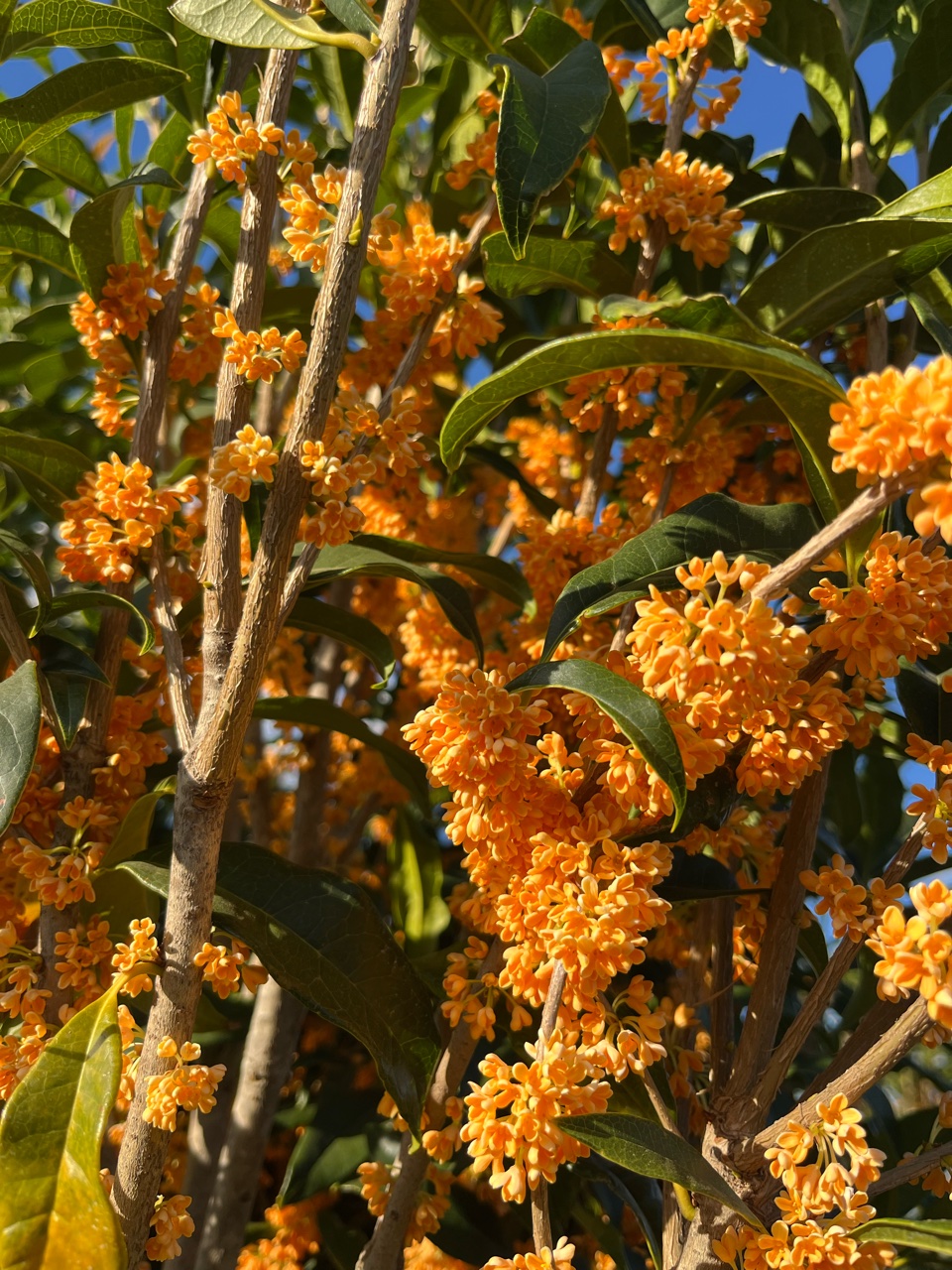
Orange Flowering Fragrant Tea Olive is known for its powerful apricot scent when in bloom, producing clusters of bright tangerine colored flowers in the Fall and leaving a year round dark green leathery foliage. It's dense, upright oval to columnar growth habit makes it an...
Show moreView Detail

"Gulftide' Osmanthus (lets call it what it is!) has been an evergreen staple for Mid-Atlantic and coastal New England gardens for years. Being incredibly cold hardy and heat tolerant, 'Gulftide' can be grown as a large shrub or small tree. As a shrub, its dense...
View Detail
Fruitlandii is a variation on the Fortune's Osmanthus theme (Osmanthus x fortunei). The leaves are smaller, medium green, and with more defined serrations and deeper sinuses along the leaf margin (giving it more visual texture). Otherwise proceed as normal: situate Fruitland Fortune's Osmanthus in full...
Show moreView Detail